
Proper attic ventilation quietly extends the life of your roof and lowers your energy bills. Here's how it actually works.
How roof ventilation works
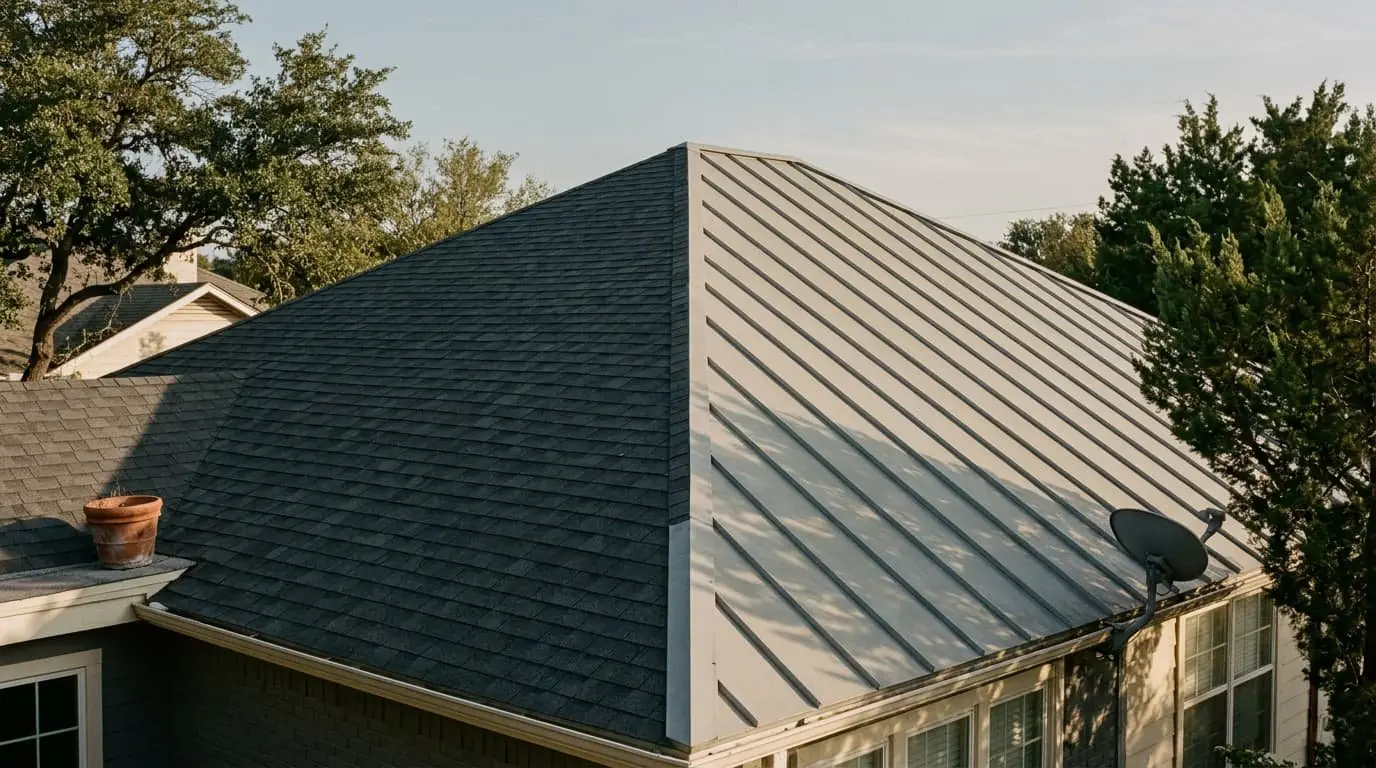
A healthy roof breathes. Cool air enters low at the soffits, warm air escapes high at the ridge, and that constant flow carries heat and moisture out of your attic before they can do damage. When intake and exhaust are balanced, your roof stays cooler in summer and drier in winter.
Signs your attic isn't breathing
Ice dams in winter, a second floor that never cools down, musty attic air, or rusted nails poking through the decking are all signs of trapped heat and moisture. Left alone, that moisture rots decking and voids many shingle warranties.
What poor ventilation costs you
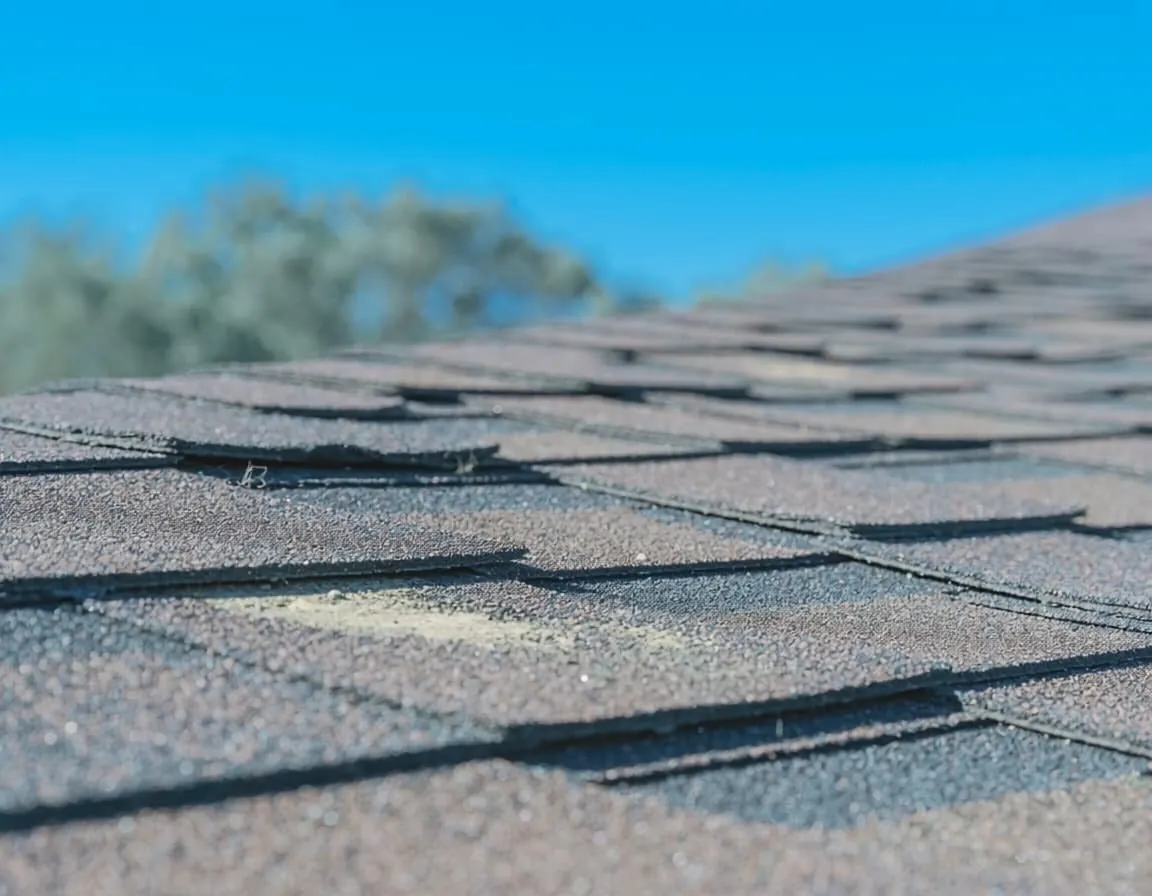
Superheated attic air bakes your shingles from below, shortening their life by years, and forces your air conditioner to run harder every afternoon. Fixing ventilation is one of the cheapest ways to protect both your roof and your energy bill.
How we balance intake and exhaust
We measure your attic's square footage, calculate the net free area it needs, and pair soffit intake with ridge or box-vent exhaust so air moves in one clean direction. No guesswork, no short-circuiting airflow.
Not sure how your attic is breathing? Book a free Purlin inspection and we'll tell you exactly where you stand.
Not sure if you have damage?
We'll do a free 21-point inspection and document everything for your claim.