Clogged gutters don't just overflow — they push water toward your slab. A simple seasonal routine keeps your foundation, fascia, and roofline dry.
Why gutters matter more in Texas than you'd think
Gutters are easy to ignore right up until they fail. Their whole job is to collect the water your roof sheds — hundreds of gallons in a single hard Texas storm — and move it away from the house. When they clog or sag, that water goes straight down instead: over the fascia, behind the siding, and into the soil at the edge of your slab. On the expansive clay soils common around Austin, that's the real danger. Clay swells when it's soaked and shrinks when it dries, and uneven moisture at the foundation line is one of the most common contributors to slab movement, cracked drywall, and doors that suddenly won't close. A $150 gutter cleaning is cheap insurance against a five-figure foundation repair.
A simple seasonal routine
You don't need to think about gutters every weekend. Twice a year is enough for most homes — more often if you live under mature oaks or pecans:
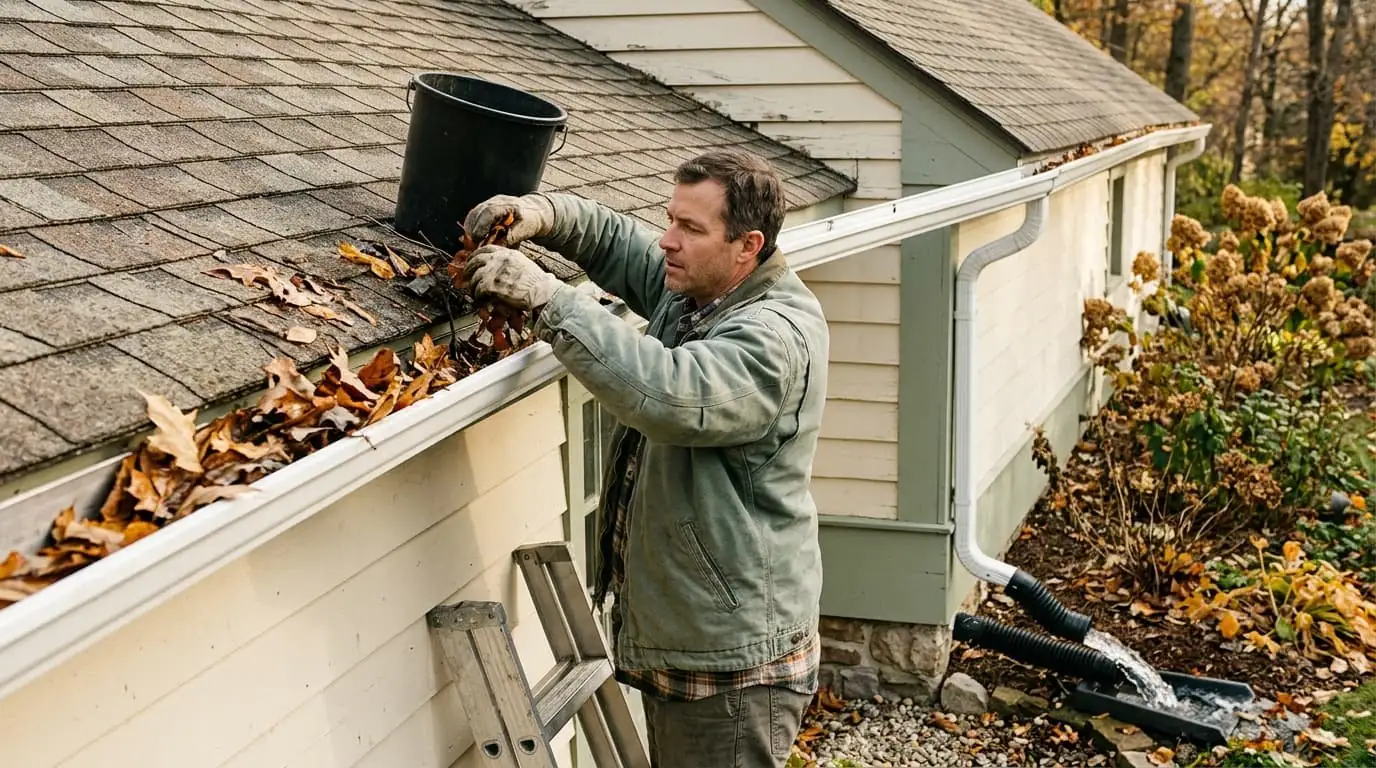
- Late fall: clear leaves and debris after the trees finish dropping, and flush each downspout with a hose until water runs freely.
- Late spring: clear oak catkins and seed pods before summer storm season, and check that hangers are tight after winter expansion and contraction.
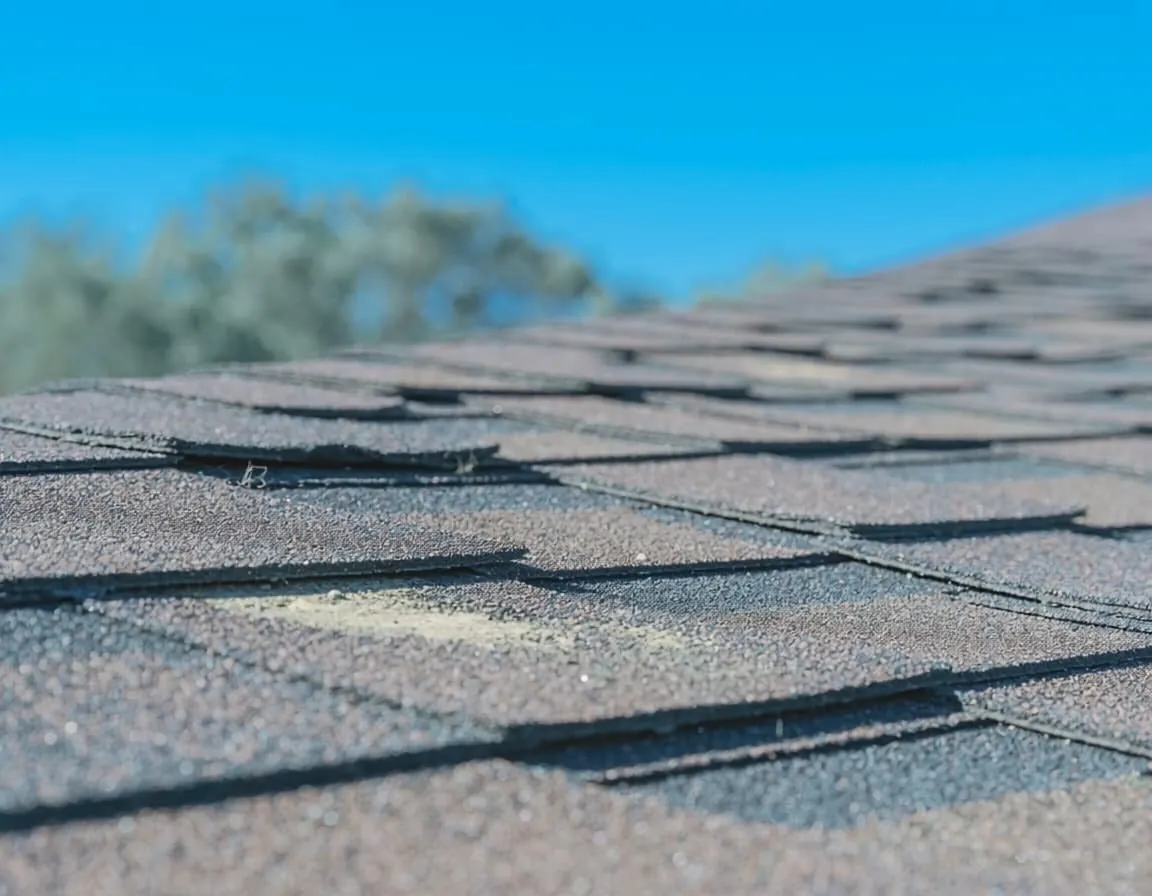
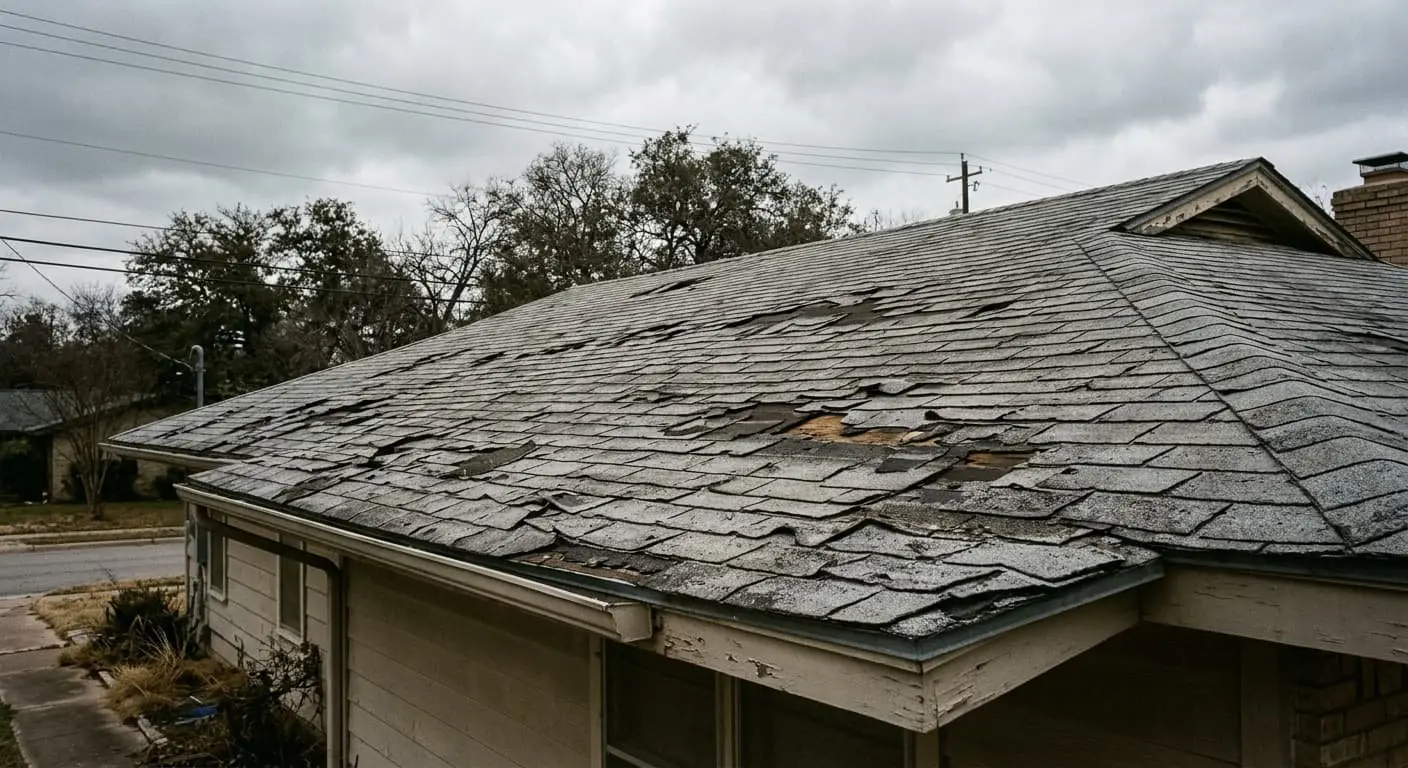
- After any major storm: walk the perimeter and look for overflow stains, detached downspouts, or granules piled at the outlets — a heavy layer of shingle granules is also an early warning about roof wear.
- Check the discharge: every downspout should release water at least a few feet from the foundation. Splash blocks and extensions are the cheapest fix in home maintenance.
If ladders aren't your thing, don't be a hero. A pro can clean and inspect the average home's gutters in under an hour, and can spot fastener and flashing issues from up close that you can't see from the ground.
Warning signs your gutters are failing
Between cleanings, a few symptoms deserve prompt attention: water sheeting over the front lip during rain, gutters pulling away from the fascia, peeling paint or dark streaks on the trim below, standing water or tiger-striping inside the gutter run, and soil erosion or trenching directly beneath the roof edge. Inside the garage or basement-level spaces, damp corners after storms often trace back to a downspout dumping water right beside the slab. None of these fix themselves, and all of them get more expensive with time.
Repair, upgrade, or replace?
Loose hangers, minor pitch corrections, and resealing end caps are quick repairs worth doing. If your gutters are older seamed steel, chronically rusty, or undersized for your roof area, replacement with seamless aluminum — properly pitched, with adequately sized downspouts — usually beats another season of patching. Gutter guards can be worthwhile under heavy tree cover, but they reduce cleaning rather than eliminate it; budget accordingly and skip any product that promises "never clean your gutters again."
Purlin installs, repairs, and tunes up gutters across the Austin metro, and every roof inspection we do includes a gutter check at no charge. Schedule yours or call (512) 555-0142.
Not sure if you have damage?
We'll do a free 21-point inspection and document everything for your claim.