Price ranges by material, the factors that move your quote up or down, and how to compare roofing bids in Austin without getting burned.
The honest answer: it depends, but not mysteriously
"How much is a new roof?" is the first question we hear on almost every estimate, and the honest answer is a range, not a number. For a typical single-family home in the Austin area, most full replacements land somewhere in the low five figures, with smaller homes and basic architectural shingles at the lower end and larger or more complex roofs — steep pitches, multiple valleys, premium materials — climbing well beyond that. The good news is that the range isn't random. Once you understand the handful of factors that drive it, any quote you receive should make sense line by line.
What actually drives the price of your quote
Roofers price by the "square" — a 10-by-10-foot area of roof surface — so the size of your roof matters more than the size of your house. Beyond raw area, a few variables move the number more than anything else:
- Pitch and complexity. Steep roofs and cut-up rooflines with dormers, hips, and valleys take longer, need more safety equipment, and generate more waste.
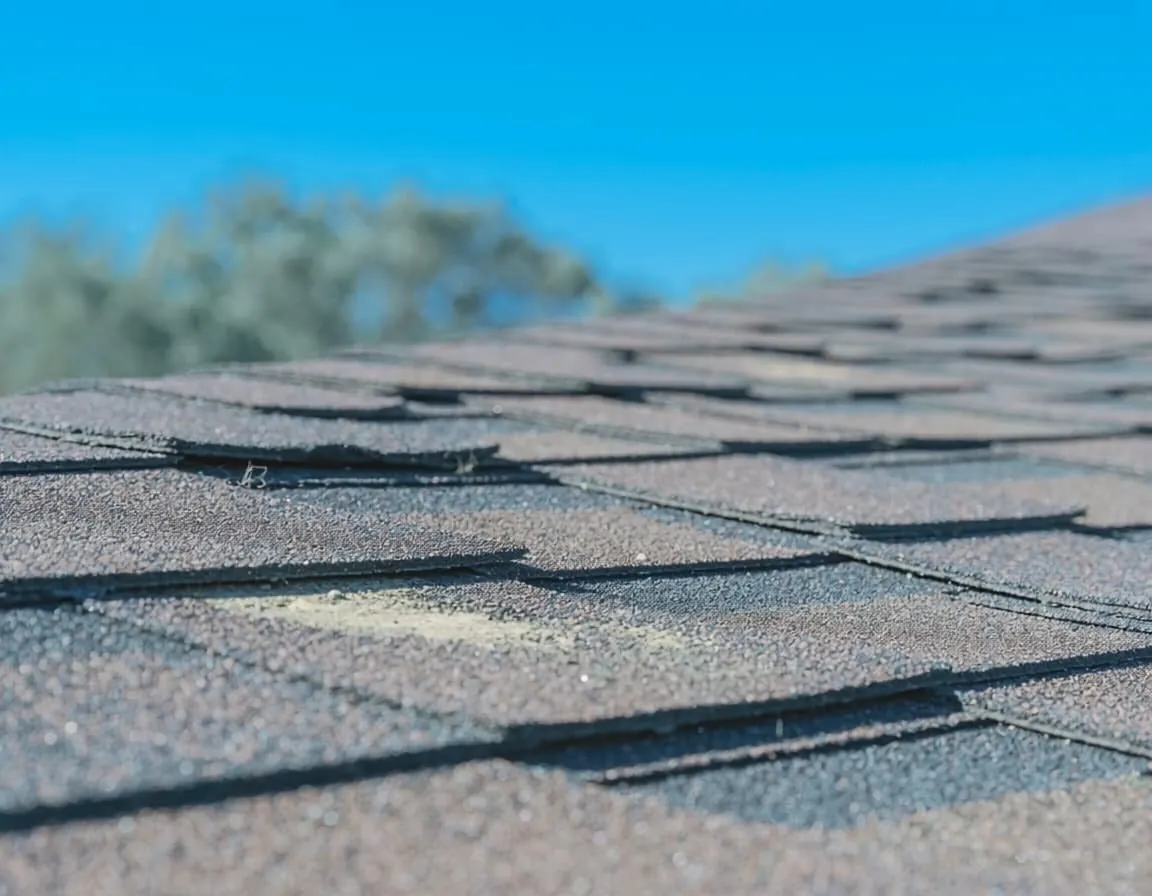
- Tear-off condition. Removing one layer of old shingles is routine. Two layers, rotten decking, or damaged fascia adds labor and lumber.
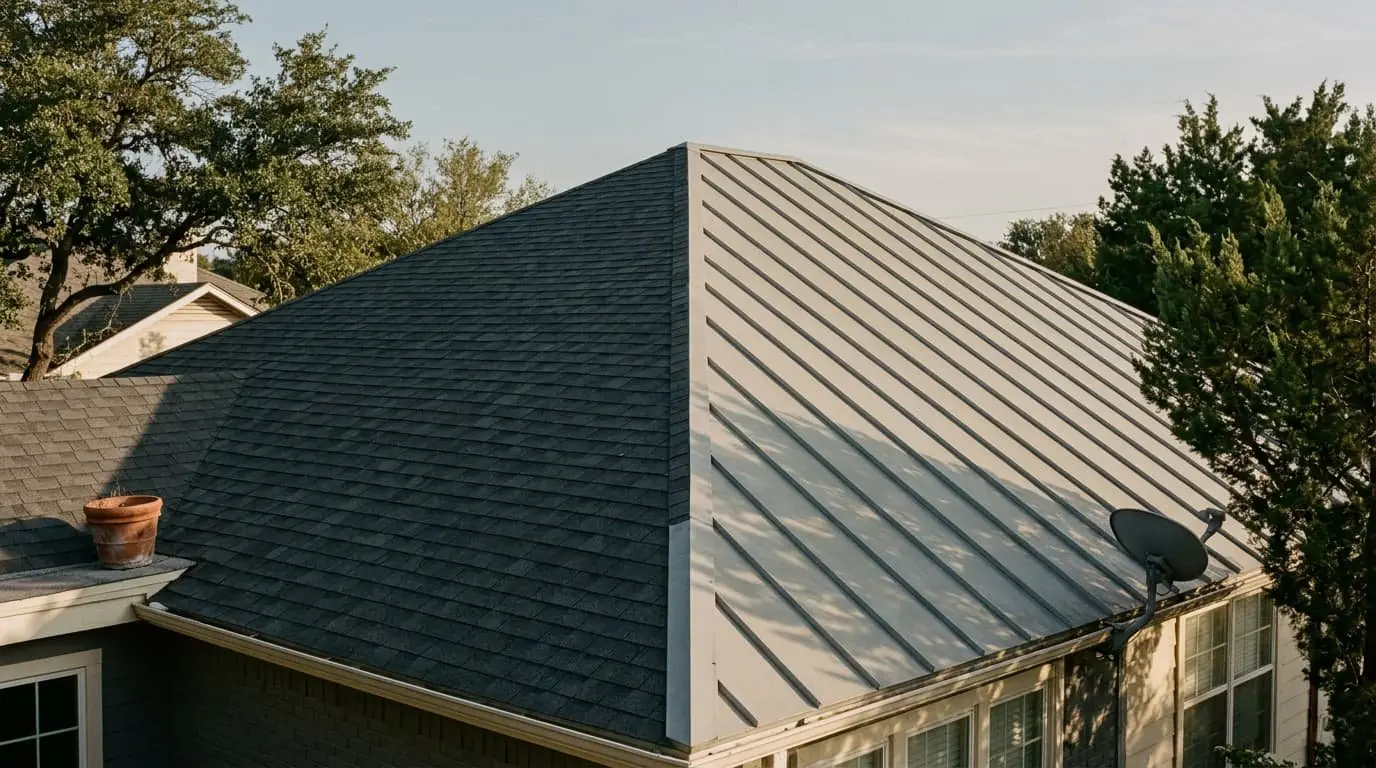
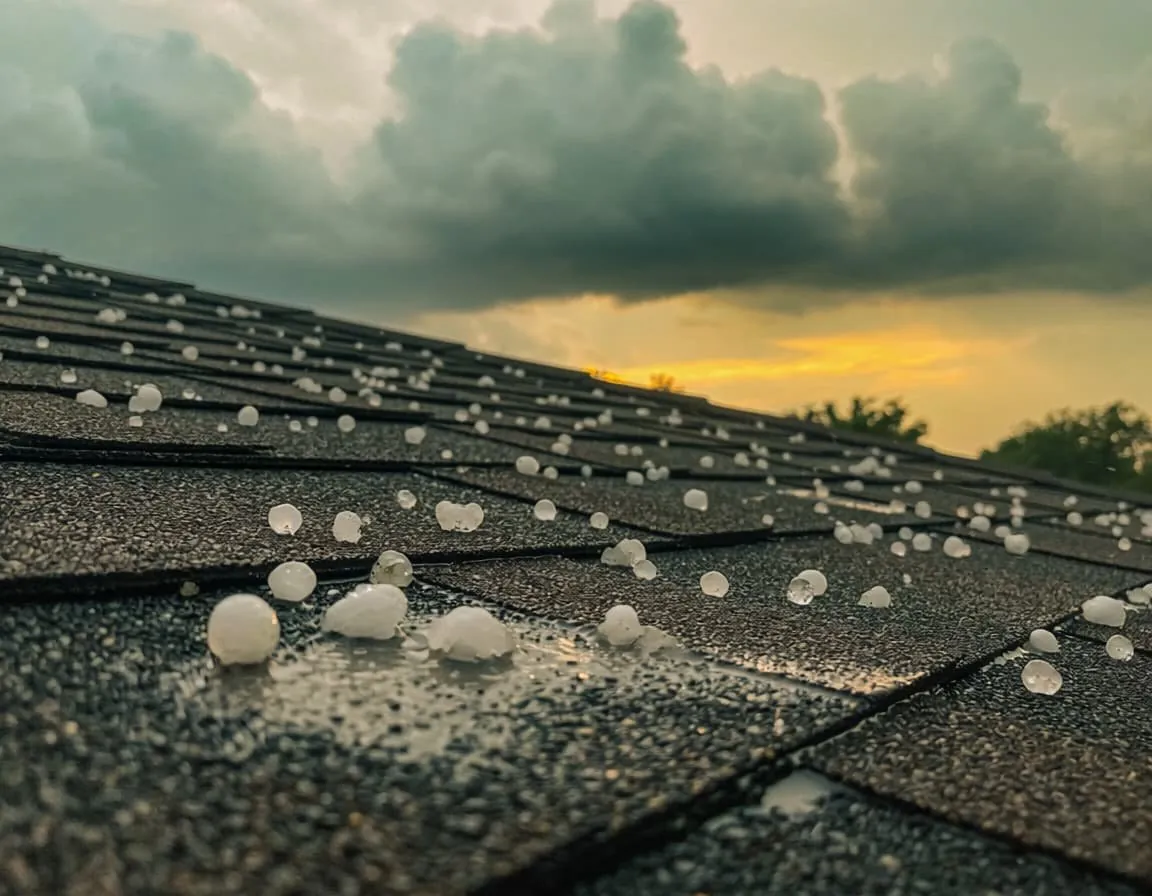
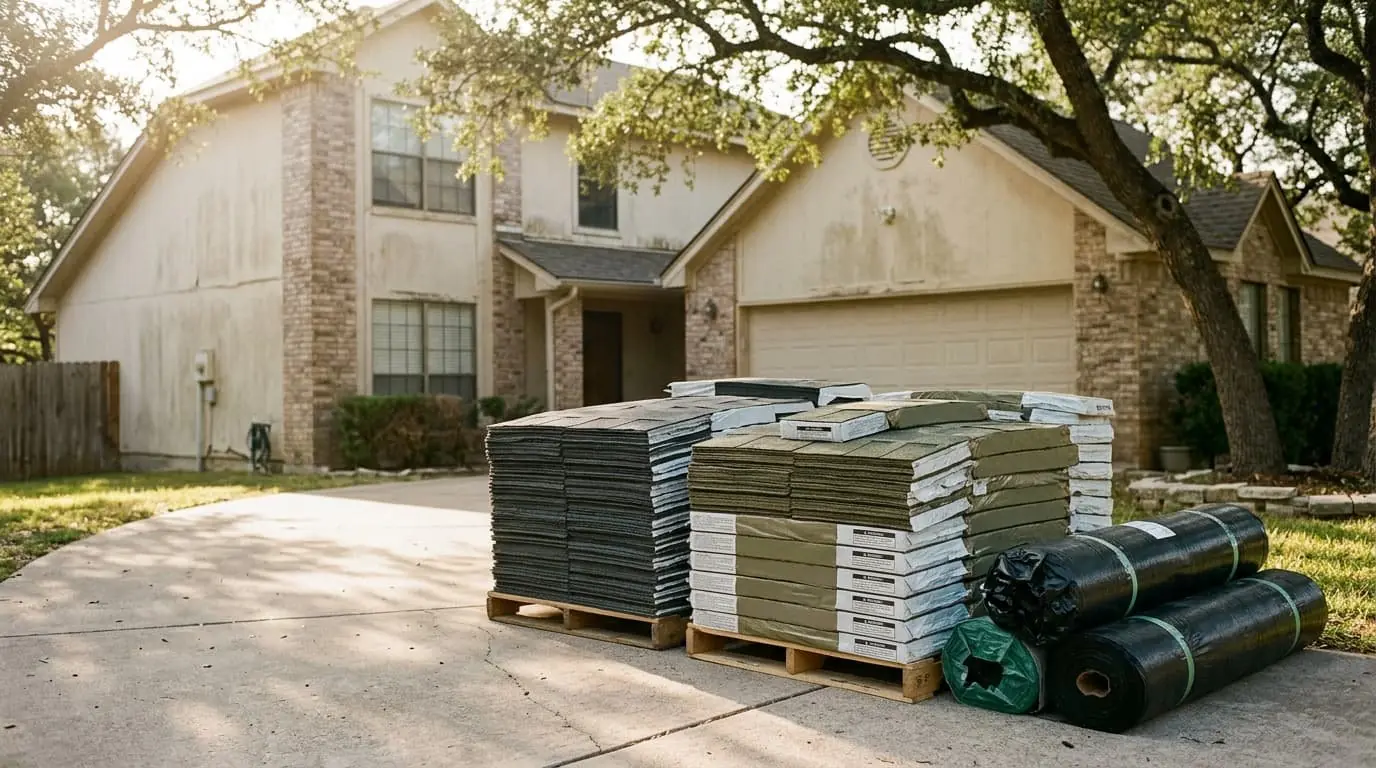
- Material choice. Basic three-tab shingles cost the least; architectural shingles are the Austin standard; Class 4 impact-rated shingles and standing-seam metal cost more upfront but earn it back in lifespan and, often, insurance discounts.
- Ventilation and flashing. A quality re-roof includes new underlayment, drip edge, pipe boots, and proper ridge ventilation — not just new shingles nailed over old problems.
- Access and disposal. Tight lots, landscaping to protect, and dumpster logistics all show up in labor time.
Asphalt, metal, and tile: how material changes the math
Architectural asphalt remains the best value for most Central Texas homes: strong warranties, good wind ratings, and the widest installer base. Impact-rated shingles typically add a modest premium and can qualify you for a discount on the wind-and-hail portion of your homeowner's policy — ask your agent before you buy, not after. Standing-seam metal can run roughly two to three times the cost of asphalt but often lasts twice as long and shrugs off the sun that ages shingles here. Tile and slate are beautiful but heavy; many Austin homes need structural review before they're an option. There is no single "best" material — there's the best fit for your budget, your timeline in the home, and your tolerance for future maintenance.
How to compare bids without getting burned
When quotes arrive, resist the urge to sort by price alone. Instead, check that each bid specifies the shingle line and warranty by name, includes tear-off and disposal, itemizes decking repair (a per-sheet price is a good sign), addresses ventilation, and carries proof of liability insurance and local references. A bid that's dramatically cheaper than the others usually got there by leaving something out — and you'll pay for that omission later, in change orders or in leaks. A trustworthy roofer will walk you through every line item without flinching.
Want a number for your actual roof instead of a range? Purlin offers free, no-pressure inspections and written estimates across the Austin metro. Request your free estimate or call us at (512) 555-0142.
Not sure if you have damage?
We'll do a free 21-point inspection and document everything for your claim.